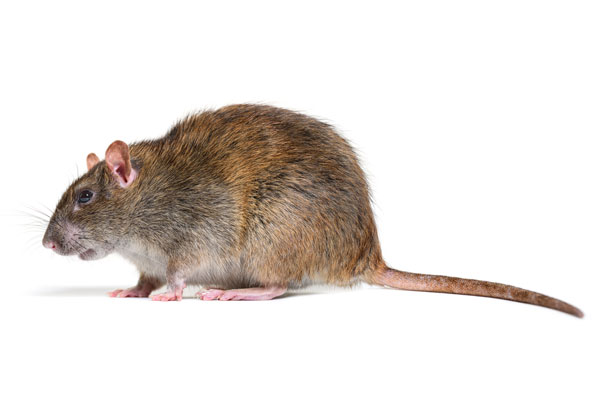
Rodents are most active after dark, which is why scratching, running or gnawing noises are commonly noticed at night. By the time noises become obvious, there is usually enough activity to justify a professional inspection.
As temperatures drop, rats and mice look for warmth, shelter and reliable food sources. Roof spaces, garages and subfloors provide ideal nesting areas, which is why rodent activity often increases during winter.
Rodent bait works gradually over several days, allowing rodents to continue their normal behaviour. Some may move towards water sources as they weaken, while others may remain within roof spaces, wall cavities or subfloors. Unfortunately, there is no way to predict the exact location where an individual rodent will die.
It is normal to hear some activity for several days following treatment. Rodents do not die immediately, and severe infestations may require follow-up visits. Continued monitoring is important before judging the effectiveness of the treatment.
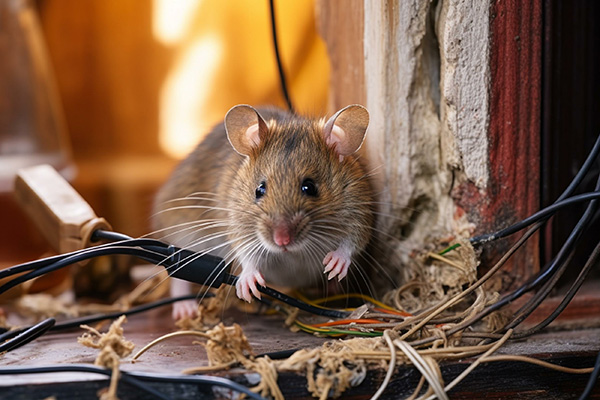
Yes. Rats and mice constantly gnaw to keep their teeth worn down and may damage electrical wiring, insulation, timber, cardboard storage boxes and plastic pipes. In some cases, this damage can create electrical hazards.
Rodent pressure from neighbouring properties, nearby vegetation, bird seed, pet food, compost bins and structural gaps can all contribute to recurring infestations. Long-term control requires both treatment and prevention measures.
Yes. Mice can squeeze through openings as small as 6 mm, while rats can enter through surprisingly small gaps around pipes, garages, roof lines and wall penetrations.
Rodents are attracted to warmth, shelter and water, not just food. Even well-maintained homes can experience rodent activity, particularly during colder months.
Ultrasonic devices may temporarily disturb rodents but are generally ineffective against established infestations. Professional treatment combined with proofing and environmental management provides much more reliable results.
Yes. Subfloors are one of the most common harbourage areas because they provide protection and stable temperatures. Activity under the house often goes unnoticed until noises or odours develop.
Old droppings can remain long after rodent activity has been controlled. Fresh droppings are darker and softer, while older droppings become dry and brittle. Monitoring for new signs of activity is more important than the presence of old droppings.
Many infestations respond well to a single treatment. However, severe infestations or properties with high rodent pressure may require follow-up visits to achieve long-term control.
Overhanging branches provide easier access to roof spaces and can contribute to rodent activity. Trimming vegetation away from the property can help reduce the likelihood of future infestations.
Modern rodenticides are designed to act gradually. Most rodents begin to be affected within a few days after feeding, although complete control may take several weeks depending on the size of the infestation.
Successful prevention involves:
* Sealing entry points.
* Removing food and water sources.
* Trimming vegetation touching the building.
* Storing food in sealed containers.
* Undertaking regular inspections and maintenance treatments where necessary.
Rodent management is most effective when treatment and prevention are combined.
Rodents are most active after dark, which is why scratching, running and gnawing sounds are often noticed during the night. These noises usually indicate activity within the roof space, walls or subfloor areas and should not be ignored.
As temperatures drop, rats and mice seek warmth, shelter and reliable food sources. Roof spaces, garages and wall cavities provide ideal nesting areas, making rodent activity more noticeable during colder months.
Rats and mice can enter through surprisingly small gaps around pipes, garages, roof lines, vents, weep holes and damaged seals. Mice can squeeze through openings as small as 6 mm.
Yes. Rats are excellent climbers and frequently use fences, trees, pipes and cables to access roofs and upper levels of buildings. Overhanging branches can provide an easy pathway into roof spaces.
Yes. Roof voids provide warmth, shelter and nesting material, making them one of the most common harbourage areas for rodents. Scratching noises above the ceiling are often one of the first signs of activity.
Yes. Subfloors provide protection and stable temperatures, making them ideal nesting sites. Activity beneath the home often goes unnoticed until scratching noises, odours or droppings are discovered.
Rodents are attracted to food, water and shelter. Common attractants include pet food, bird seed, compost bins, fruit trees, overflowing rubbish bins, dense vegetation and accessible roof spaces.
Clean homes can still experience rodent problems. Rodents are attracted to warmth and shelter just as much as food. Even well-maintained properties may experience infestations due to surrounding vegetation or activity from neighbouring properties.
Yes. Rodents can contaminate food, spread bacteria, damage insulation and chew electrical wiring, pipes and stored belongings. Their droppings and urine can also contribute to unpleasant odours and hygiene concerns.
Yes. Rodents constantly gnaw to wear down their teeth and may damage electrical wiring, insulation, timber, plastic pipes and cardboard storage boxes. In severe cases, this damage may increase the risk of electrical faults.
Common signs include:
* Scratching noises in walls or ceilings.
* Rodent droppings.
* Gnaw marks.
* Damaged food packaging.
* Unpleasant odours.
* Nesting materials.
* Sightings of rats or mice.
Modern rodenticides are designed to work gradually. Rodents usually continue their normal behaviour for several days after feeding. Depending on the level of infestation, complete control may take several weeks.
After consuming bait, rodents continue their normal activity. Some may move towards water sources as they weaken, while others may remain within roof spaces, wall cavities or subfloor areas. Unfortunately, it is impossible to predict exactly where an individual rodent will die.
Most treatments do not result in noticeable odours. However, if a rodent dies within an inaccessible area such as a wall cavity or roof space, a temporary odour may occur. In most cases, the smell naturally disappears over time.
Rodents do not die immediately after consuming bait. It is normal to hear activity for several days following treatment. Severe infestations may also require follow-up visits to achieve long-term control.
Old droppings can remain visible long after rodent activity has been controlled. Fresh droppings are darker and softer, while older droppings become dry and brittle. Monitoring for new signs of activity provides a better indication of treatment success.
Many infestations can be controlled with a single treatment. However, larger infestations or properties with high rodent pressure may require follow-up visits and ongoing monitoring.
Rodent pressure from neighbouring properties, nearby vegetation, food sources and unsealed entry points can contribute to recurring infestations. Long-term success requires both treatment and preventative measures.
Yes. Rodents do not recognise property boundaries. Activity in surrounding properties, overgrown vegetation and shared fences can all contribute to ongoing rodent pressure.
Sealing entry points is an important part of rodent management, but exclusion alone is rarely enough. Existing rodent populations should first be controlled before carrying out permanent proofing work.
Ultrasonic devices may temporarily disturb rodents but are generally ineffective against established infestations. Professional treatment and exclusion methods provide more reliable long-term results.
Yes. Rats are strong swimmers and are capable of travelling through drains, sewers and waterways. They are highly adaptable and can survive in a wide range of environments.
Rodents are known to carry bacteria and parasites that may contaminate food and surfaces. Good hygiene and prompt treatment are important in reducing health risks associated with infestations.
Insurance policies vary considerably. Some policies may cover damage caused by rodents, while others exclude pest-related issues. Property owners should check directly with their insurer.
Long-term prevention includes:
* Sealing entry points.
* Trimming vegetation away from buildings.
* Storing food in sealed containers.
* Removing excess clutter.
* Securing rubbish bins.
* Reducing water sources.
* Undertaking regular inspections and maintenance treatments when required.
If you are hearing scratching noises, finding droppings, noticing gnaw damage or seeing rats or mice around the property, it is recommended to arrange a professional inspection before the infestation becomes more severe.